
CLUB CALENDAR 2026-27
Presentation: Monochrome by Gary Weeks
Gary has been around imagery for as long as he can remember. From the childish scribbling of images onto school desks to eventually photographing people, he has always loved shape and form.
Photography is something that he’s enjoyed in all of its different forms. His eye is a wondering one whereby he’s constantly looking for different subjects and agonizes (at times) in his inability to find them. Happiness is sometimes simply finding beauty in the least obvious of things. Photography—to him—is the fascination with every new subject and with the different set of challenges that he confronts. His joy lies in overcoming these challenges to create something that screams his uniqueness of vision and reflects how he perceives the world.
His clients have included; the common man, the working man, artists, performers, small businesses and large corporations.
Film Making has now been added to the list of services he provides; with short documentaries, films and commercials sitting wonderfully alongside his photographic work. Working with “moving images” has always been a logical progression and with it he brings; the attention to detail, the joy and the beauty inherent in his stills work to this incredible medium.
There is emotion inherent in everything he does. In his life or in his craft, he tries to reflect this.
He has lived and worked in London UK, New York USA but now calls Fredericton NB, Canada his home. (Bio adapted from Gary’s website: https://www.weekesphotography.com/index.html )
Monochrome Photo Competition submissions OPEN
An email will go out no later than a week before the opening date of the submission window with information on how to submit and the rules around the competition.
Monochrome
Scope of Competition
Monochrome photography challenges entrants to see beyond colour, focusing on the interplay of light, shadow, texture, and form to create compelling visual narratives. This competition invites entrants to demonstrate their mastery of light and shadow, contrast, and composition through black and white imagery that strengthens rather than diminishes their subject’s impact.
A monochrome image must fall into one of these two categories:
pure greyscale image using only black, white, and shades of grey;
greyscale image that has been uniformly tinted with a single colour across the entire frame (such as sepia, red, or gold toning).
Images that contain the following are NOT considered to be monochrome and will be disqualified:
selective colour applied to specific areas;
spot colouring or partial colourization;
multiple tints or tones used in different parts of the image;
mixed colour or toning effects.
Submitted images must fall within one of the following themes:
§ Texture & Detail – Images that highlight the tactile qualities of surfaces and materials through close, attentive observation. Whether found in natural subjects such as bark, stone, and organic forms, or in architectural elements and weathered objects, these photographs should reveal patterns, wear, and structure with clarity. Successful entries evoke a physical response — making viewers feel as though they could reach out and touch the surface.
§ Motion & Stillness – Images that explore the interplay between movement and static elements, expressed through the tonal and interpretive power of monochrome. Techniques such as intentional camera movement, long exposure, panning, or freezing action may be used, but the emphasis is on how motion or stillness is conveyed through light, contrast, and form. Subjects may include flowing water, moving crowds, wind-shaped landscapes, dancers, machinery in operation, or celestial motion. Successful entries demonstrate how monochrome distills motion or stillness into a compelling visual experience.
§ Isolation & Solitude – Images that convey the experience of being alone — physically, emotionally, or psychologically. This may be expressed through a lone figure in a landscape, a solitary person in an empty interior, a contemplative face set against negative space, or a tightly framed portrait that communicates emotional distance. While the theme naturally invites portraiture, the challenge lies in using monochrome’s tonal range to articulate isolation with subtlety and intention.
§ Hands at Work – Images that explore craftsmanship, labour, and human endeavour through tools, materials, working environments, or the traces left behind. Whether in agricultural fields, construction sites, workshops, factories, or artist studios, these photographs emphasize the relationship between people and the work they carry out. Strong entries use monochrome’s tonal range to reveal effort, skill, and purpose with clarity and intention.
Editing Techniques Permitted:
All In-Camera Techniques: Any adjustments made directly within the camera during image capture.
On-Camera Techniques: Utilizing on-camera features and settings for image enhancements.
Post-Processing Techniques: Editing the image using post-processing software.
Sky Replacement: The replacement sky must have been captured by the same photographer submitting the image into the competition.
Key Line Border: To separate the dark edges of an image from a black digital background, photographers may use a key line border. The width should be between 3 – 5 pixels with a neutral gray (RGB value of 128-180). This fine border should barely be noticeable.
Lightroom and Photoshop presets (including adaptive presets) are permitted as they adjust existing pixels rather than generating content. See CAPA Eligibility Criteria for details
Triptych (Definition & Requirements)
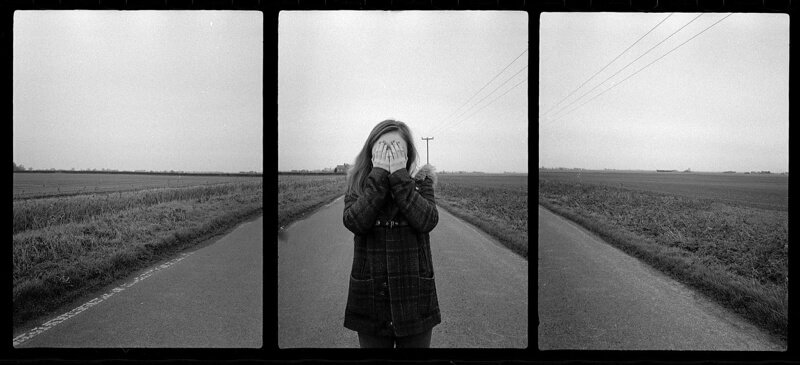
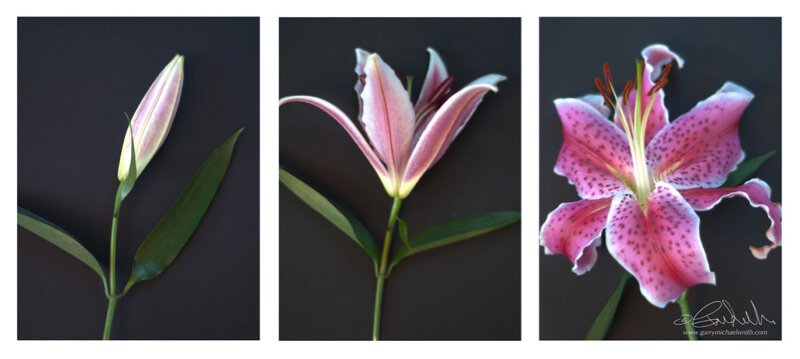
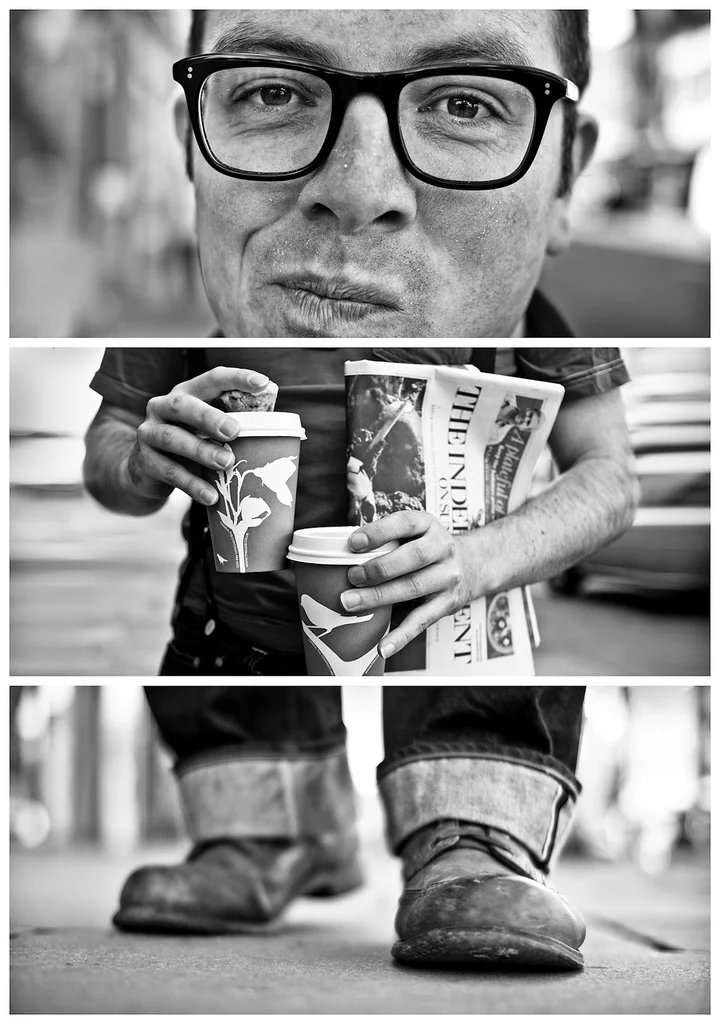
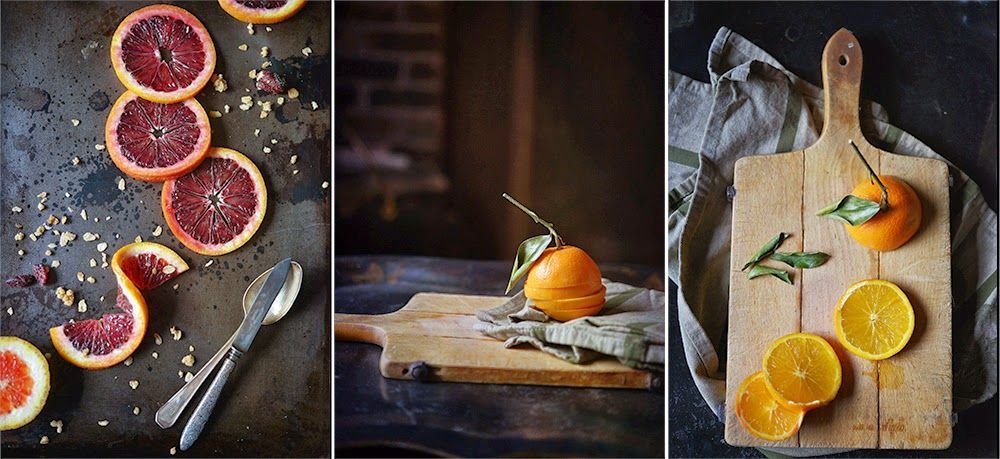
A triptych is a single artwork composed of three separate photographs presented together on one canvas or digital file, with each panel separated by frames or borders.
Cohesion: The three images must relate to one another — telling a story, showing progression, or exploring a unified visual theme.
Submission Format: Entrants must submit one JPEG file containing all three panels (including any borders or spacing).
Important: Uploading three individual files does not qualify as a triptych and will not be accepted.
Editing Techniques Not Permitted:
Images without Photographic Origin: Images that are entirely generated electronically with no photographic origin.
Frames, Borders and Mats: Photographs must not contain any decorative elements like frames, borders, pin-lines (exceeding 5 pixels), or mats. This includes the edges and markings of scanned film. When the frame is integral to the captured image, for instance a window frame or door frame that has been captured by the camera, these elements are permitted.
Updated Submission Authentication Requirements – June 8, 2026
To help photographers understand which AI features are acceptable for our competition submissions, we’ve developed a “List of Approved AI Tools” webpage.
For practical guidance on organizing your files from the start, see our Protecting Your Competition Images (Provenance Guide) webpage.
Original Files and Metadata Protection
For all CAPA competition photographers MUST:
Retain the original captured image(s)
Perform all editing on copies;
Keep originals accessible for quick retrieval, if verification is needed
Verification Requirements for Awards
For potential winning entries, the Director of Competitions MAY request:
Editing Narrative: a description of how the image was edited and what editing programs were used. Upon receipt of these details, the photographer will be provided step-by-step instructions on how to export the image to include the required metadata.
Original Files:
Unretouched JPEG or RAW files;
For in-camera merged images, the camera-generated merged file (HDR, focus-stacked, multiple exposure, or panorama) is the original file. Individual source frames are not required.
For Camera Club entries: The photographer’s original image as submitted to the club, before any club modifications such as resizing, copyright additions, or other editing.
The following administrative modifications by the club are permitted, provided that the image’s camera and editing details remain unaltered:
Resizing to meet CAPA pixel dimension and file size specifications;
Adding a copyright to the metadata or club identifier, when exporting from Lightroom to JPEG at the required quality setting;
Renaming files to comply with CAPA entry naming conventions.
Retention of the photographer’s original submission is the responsibility of the individual photographer, not the club.
Working Files (choose based on your workflow):
Photoshop: Layered PSD file with all editing layers intact. Users who require the flattening of their image file for functionality integrity and/or storage reasons must retain a PSD file or a set of PSD files prior to each flattening so that all editing history is retained.
Lightroom:
Preferred: Original RAW file + XMP sidecar file, OR DNG file with embedded edits.
Acceptable: Layered TIFF if you didn’t use RAW/XMP/DNG workflow.
Other Applications: Original RAW file + any proprietary sidecar/settings files that preserve editing history.
These files provide a complete audit trail demonstrating compliance with competition specifications.
Failure to provide requested image files within the specified timeframe will result in entry withdrawal and recalculation of competition results.
Title of Image
The Image Title is limited to 32 characters and can be in either English or French;
The photographer’s name or the club’s name must not appear in the Title of the image, nor be placed in the Title Field.
The title cannot include special characters or symbols. Examples/ -+=! ? & $%*{} [ ] @ # &) (
Choose a simple title that sets the mood or perspective of the image. Do not use Untitled. Titles may be considered during judging, so select one that supports the image’s vision or message.
Image File Name
The image file name that you create should also be short and simple, and could be the same as the Image Title. Please do not use long image file names.
Image Size – Dimensions
The image should be re-sized to meet the following two parameters:
Saved as a jpg image with a maximum file size of 1.8 MB.
Dimensions: Maximum horizontal size: 1400 pixels and maximum vertical size: 1050 pixels.
Example of Image Sizing – Double-click to view image
Images smaller than the maximum dimensions are acceptable only if one of the sides meets the required limit:
1400 pixels on the horizontal side, or 1050 pixels on the vertical side.
Examples: 1050 × 1050 (square); 1400 × 800; 700 × 1050
Workshop: Macro and close up Photography by Gabriele Ehnes-Lilly
Small Wonders: A Macro & Close-Up Photography Presentation & Workshop with Gabriele Ehnes-Lilly
Sometimes the most captivating photographs are hiding in the smallest details.
Spend an inspiring and hands-on evening with photographer Gabriele Ehnes-Lilly as she explores the fascinating world of macro and close-up photography.
The evening begins with a presentation exploring how to find compelling subjects and transform ordinary details into extraordinary photographs. Gabriele will share her approach to composition, light, colour, texture and perspective, along with practical tips for getting the most from your camera and lens.
Then, put those ideas into practice during a hands-on workshop! Experiment with macro and close-up techniques, explore creative compositions and discover new ways to photograph the intricate details of the natural world.
Whether you have a dedicated macro lens or are simply curious about getting closer to your subjects, this presentation and workshop will give you both the inspiration and practical skills to see your surroundings in a whole new way.
Call for submissions for Atlantic Zone CAPA competition
Gabriele will announce that she is accepting submissions until we hit our limit (as a club) or till March 11th.
CAPA site with the description and rules. https://capacanada.ca/2027-atlantic-zone-competition-clubs/
Presentation: Inspirational Colour by Stella d’Entrement. (Zoom or In Person - TBD)
Stella’s work grows from curiosity, patience, and a willingness to keep looking until something reveals itself. What drives her is not the perfect execution of a technique, but the story an image can hold.
Her images are acts of storytelling, moments of reverence, and invitations to look more closely. They are her way of reminding us that beauty often asks for nothing, that meaning can be found in the quietest places, and that the natural world is not only something to admire, but something to learn from and protect.
See in Colour: An Inspirational Photography Presentation
Colour is more than just what we see. It can set a mood, tell a story, draw us into a scene and completely change the way we experience a photograph.
Explore the creative possibilities of colour in an inspiring presentation, where you’ll discover how photographers can use colour to create stronger compositions, build visual harmony and bring greater emotion and impact to their images.
From finding compelling colour combinations in the landscape to making thoughtful choices about light, composition and editing, this presentation will offer practical ideas to help you see the world through a more colourful lens.
Whether you’re an experienced photographer or simply someone who loves beautiful images, come discover how a little more attention to colour can make a big difference in the way you photograph the world around you.
Presentation: Landscape Photography by Gary Tucker (via Zoom)
Gary Tucker lives in the small town of Sackville, New Brunswick, in the Maritime region of Canada. In 2019 he retired after 25 years as a music theorist and historian at Mount Allison University.
Long attracted to looking at photographs, he began taking photos himself in 2008. Now that he’s retired, he’s happily devoting more sustained attention to exploring landscape photography. He focuses mainly on local marshes, streams, forests, and waterfowl refuges, enjoying the beauties of Maritime nature. (Bio adapted from Gary’s website: https://garytuckerphoto.com/ )
See the Landscape Differently: A Photography Presentation with Gary Tucker
Ever wonder what makes a landscape photograph truly stand out? Join acclaimed landscape photographer Gary Tucker for an inspiring look behind the lens and discover how to turn the landscapes around you into compelling photographs.
Gary will showcase highlights from his portfolio and share the stories, challenges and creative decisions behind his images. Learn practical tips on composition, perspective, light and editing, along with helpful do’s and don’ts for capturing and enhancing your own landscape photographs.
Whether you’re just picking up a camera or looking to take your photography to the next level, you’ll leave with new ideas, practical techniques and a fresh perspective on the beauty of the landscape around you.
Inspirational Colour Photo Competition Submissions OPEN
An email will go out no later than a week before the opening date of the submission window with information on how to submit and the rules around the competition.
Inspirational Colour
Scope of Competition
This competition invites photographers to use colour as a powerful creative element — exploring bold palettes, subtle harmonies, and expressive interpretations that push beyond familiar comfort zones. It’s an opportunity to experiment, innovate, and create images where colour is essential to the artistic impact.
To maintain this focus, submissions must be colour images. Black & white, monochrome, and infrared photographs are not eligible for this competition.
All images must fall within one of the following themes:
· Curves & Lines — “Where form meets colour”
Create images that highlight the interplay between curves and lines, using colour to enhance form, structure, and visual impact. Subjects may include natural shapes, botanical details, architectural elements, or abstract compositions — anything where colour and geometry work together to create an expressive design.
· Movement & Energy — “Freeze it, blur it, chase it”
Images that express motion and energy through the use of colour. Subjects may include sports, dance, urban life, light trails, or natural movement, using techniques from frozen action to long exposure. Colour should amplify the sense of dynamism — adding impact, rhythm, or atmosphere to the motion portrayed.
· Nature’s Palette — “No artist’s brush required”
Images that explore colour in undisturbed natural environments — from wildflowers and foliage to fungi, geology, bark, ice, and water. The emphasis is on naturally occurring colour relationships and the beauty found in untouched landscapes and organic forms.
· Colour with a Human Touch — “We leave our mark in colour”
Images where human influence makes colour the defining element. Subjects may include urban streetscapes, architecture, rural structures, farmland, workplaces, or transportation — any environment shaped by people, where colour adds impact, identity, or meaning.
· Colours of Culture — “Colour as identity, memory, and belonging”
Images that celebrate cultural identity through colour — in traditional dress and textiles, ceremonial attire, cultural rituals, Indigenous art forms, body decoration, or everyday moments where colour expresses heritage, identity, or tradition. The emphasis is on colour as a meaningful cultural language, revealing how people and communities use it to tell their stories.
Editing Techniques Permitted:
All In-Camera Techniques: Any adjustments made directly within the camera during image capture.
On-Camera Techniques: Utilizing on-camera features and settings for image enhancements.
Post-Processing Techniques: Editing the image using post-processing software.
Sky Replacement: The replacement sky must have been captured by the same photographer submitting the image into the competition.
Key Line Border: To separate the dark edges of an image from a black digital background, photographers may use a key line border. The width should be between 3 – 5 pixels with a neutral gray (RGB value of 128-180). This fine border should barely be noticeable.
Lightroom and Photoshop presets (including adaptive presets) are permitted as they adjust existing pixels rather than generating content. See CAPA Eligibility Criteria for details
Triptych (Definition & Requirements)
A triptych is a single artwork composed of three separate photographs presented together on one canvas or digital file, with each panel separated by frames or borders.
Cohesion: The three images must relate to one another — telling a story, showing progression, or exploring a unified visual theme.
Submission Format: Entrants must submit one JPEG file containing all three panels (including any borders or spacing).
Important: Uploading three individual files does not qualify as a triptych and will not be accepted.
Editing Techniques Not Permitted:
Images without Photographic Origin: Images that are entirely generated electronically with no photographic origin.
Frames, Borders and Mats: Photographs must not contain any decorative elements like frames, borders, pin-lines (exceeding 5 pixels), or mats. This includes the edges and markings of scanned film. When the frame is integral to the captured image, for instance a window frame or door frame that has been captured by the camera, these elements are permitted.
Updated Submission Authentication Requirements – June 8, 2026
To help photographers understand which AI features are acceptable for our competition submissions, we’ve developed a “List of Approved AI Tools” webpage.
For practical guidance on organizing your files from the start, see our Protecting Your Competition Images (Provenance Guide) webpage.
Original Files and Metadata Protection
For all CAPA competition photographers MUST:
Retain the original captured image(s)
Perform all editing on copies;
Keep originals accessible for quick retrieval, if verification is needed
Verification Requirements for Awards
For potential winning entries, the Director of Competitions MAY request:
Editing Narrative: a description of how the image was edited and what editing programs were used. Upon receipt of these details, the photographer will be provided step-by-step instructions on how to export the image to include the required metadata.
Original Files:
Unretouched JPEG or RAW files;
For in-camera merged images, the camera-generated merged file (HDR, focus-stacked, multiple exposure, or panorama) is the original file. Individual source frames are not required.
For Camera Club entries: The photographer’s original image as submitted to the club, before any club modifications such as resizing, copyright additions, or other editing.
The following administrative modifications by the club are permitted, provided that the image’s camera and editing details remain unaltered:
Resizing to meet CAPA pixel dimension and file size specifications;
Adding a copyright to the metadata or club identifier, when exporting from Lightroom to JPEG at the required quality setting;
Renaming files to comply with CAPA entry naming conventions.
Retention of the photographer’s original submission is the responsibility of the individual photographer, not the club.
Working Files (choose based on your workflow):
Photoshop: Layered PSD file with all editing layers intact. Users who require the flattening of their image file for functionality integrity and/or storage reasons must retain a PSD file or a set of PSD files prior to each flattening so that all editing history is retained.
Lightroom:
Preferred: Original RAW file + XMP sidecar file, OR DNG file with embedded edits.
Acceptable: Layered TIFF if you didn’t use RAW/XMP/DNG workflow.
Other Applications: Original RAW file + any proprietary sidecar/settings files that preserve editing history.
These files provide a complete audit trail demonstrating compliance with competition specifications.
Failure to provide requested image files within the specified timeframe will result in entry withdrawal and recalculation of competition results.
Title of Image
The Image Title is limited to 32 characters and can be in either English or French;
The photographer’s name or the club’s name must not appear in the Title of the image, nor be placed in the Title Field.
The title cannot include special characters or symbols. Examples/ -+=!? & $%*{} [ ] @ # &) (
Choose a simple title that sets the mood or perspective of the image. Do not use Untitled. Titles may be considered during judging, so select one that supports the image’s vision or message.
Image File Name
The image file name that you create should also be short and simple, and could be the same as the Image Title. Please do not use long image file names.
Image Size – Dimensions
The image should be re-sized to meet the following two parameters:
Saved as a jpg image with a maximum file size of 1.8 MB.
Dimensions: Maximum horizontal size: 1400 pixels and maximum vertical size: 1050 pixels.
Example of Image Sizing – Double-click to view image
Images smaller than the maximum dimensions are acceptable only if one of the sides meets the required limit:
1400 pixels on the horizontal side, or 1050 pixels on the vertical side.
Examples: 1050 × 1050 (square); 1400 × 800; 700 × 1050
Workshop: Motion Blur (Intentional Camera Movement) by Gabriele Ehnes-Lilly
Gabriele Ehnes-Lilly Bio:
Gabriele has been taking pictures since 1986 when her husband gave her a Canon AE1 Program and enjoys macro, travel, and ICM photography in particular. As a member of Photo Fredericton since 2019, Gabriele enjoys socializing around and learning/sharing everything about photography. Photography is a great hobby to have.
Motion Blur (ICM): A workshop with Gabriele Ehnes-Lilly
ICM stands for Intentional Camera Movement and is an art form where you deliberately use your camera to create images of motion and abstracts of the environment around you. It allows you to be free with your camera in a way you cannot for other themes. In this workshop I will teach the basics of ICM and then we practice on different objects to create different effects. Join us for this fun filled session.
Workshop: Understanding your camera settings for Stranger in the House & Intro to posing
Workshop: Understanding your camera settings and intro to posing for Stranger in the House - Brad, Nic and Kimothy
Lead by club members, this workshop is to help you understand your camera settings and lenses better. For example, shooting RAW vs JPG or how colour temp settings effect your image.
That way, you can use them to your advantage to help create mind blowing captures for the clubs annual Stanger in the House.
Not to mention that it will help you create mind blowing captures anywhere!
There will also be a section on Intro to Posing. So, when you are with a model, you’ll have some tips and tricks to help turn your minds eye into reality….or close to it.
Motion Blur/ICM Photo Competition Submissions OPEN
An email will go out no later than a week before the opening date of the submission window with information on how to submit and the rules around the competition.
Intentional Camera Movement (ICM)
Scope of Competition
This competition invites photographers to embrace Intentional Camera Movement — deliberately moving the camera during a longer exposure so a scene dissolves into streaks, sweeps, and soft fields of tone and colour. The goal is not accidental blur but controlled, expressive motion: images where the movement itself becomes the subject. It is an invitation to slow down, experiment, and create photographs that feel painted rather than captured.
To keep the focus on the technique, every entry must be created primarily through camera movement made during the exposure. Multiple-exposure and camera-movement blends are welcome. Sharp, static images where movement is incidental — or added afterward with motion-blur filters rather than made in-camera — are not eligible for this competition.
All images must fall within one of the following themes:
Woodland & Trees — “Let the forest dance”
Vertical pans and gentle sweeps that turn trunks, branches, and foliage into rhythmic ribbons of colour. Subjects may include forests, tree lines, reeds, or single striking trees — anything where a steady, directional movement transforms familiar form into flowing, painterly design.
Water & Shoreline — “Rivers of light”
Images that use camera movement to reshape water and coast — surf, rivers, reflections, harbour lights, and shifting tides. Horizontal drags, tilts, and swirls should amplify the flow and mood of the scene, turning ripples and reflections into bands of light and colour.
Urban Rhythm — “The city in motion”
The built environment set in motion: streetscapes, architecture, signage, traffic, and night lights swept into pattern and energy. Movement should draw out the pace and pulse of the place — vertical lines of buildings, streaming lights, or the blur of a crowd — where structure and motion meet.
Fields & Flora — “Painted meadows”
Wildflowers, grasses, gardens, and foliage rendered as colour and gesture. Small, deliberate movements can lift a meadow or a single bloom into an impressionist wash. The emphasis is on natural colour relationships carried by the motion, not on botanical detail.
Pure Abstraction — “Colour, light, and the unrecognizable”
Images where the subject dissolves entirely and only movement, tone, and colour remain. Any subject is permitted so long as the result is a deliberate abstract composition. Reward clarity of intention — a sense of direction, rhythm, and balance — over random blur.
Editing Techniques Permitted
All In-Camera Techniques: Any adjustments made directly within the camera during image capture, including intentional camera movement and in-camera multiple exposures.
On-Camera Techniques: Utilizing on-camera features and settings for image enhancements.
Post-Processing Techniques: Editing the image using post-processing software to refine tone, colour, contrast, and cropping.
Lightroom and Photoshop presets (including adaptive presets) are permitted, as they adjust existing pixels rather than generating content. See CAPA Eligibility Criteria for details.
Editing Techniques Not Permitted
Simulated Movement: Motion, radial, or path blur and similar filters applied in post-processing to imitate camera movement. The movement must be created in-camera during the exposure.
Images without Photographic Origin: Images that are entirely generated electronically with no photographic origin.
Frames, Borders and Mats: Photographs must not contain decorative elements like frames, borders, pin-lines (exceeding 5 pixels), or mats. This includes the edges and markings of scanned film. When the frame is integral to the captured image — for instance a window or door frame captured by the camera — these elements are permitted.
Title of Image
The Image Title is limited to 32 characters and can be in either English or French.
The photographer’s name or the club’s name must not appear in the Title of the image, nor be placed in the Title Field.
The title cannot include special characters or symbols. Examples: / - + = ! ? & $ % * { } [ ] @ #
Choose a simple title that sets the mood or perspective of the image. Do not use “Untitled.” Titles may be considered during judging, so select one that supports the image’s vision or message.
Image File Name
The image file name that you create should also be short and simple, and could be the same as the Image Title. Please do not use long image file names.
Image Size — Dimensions
The image should be re-sized to meet the following two parameters:
Saved as a JPG image with a maximum file size of 1.8 MB.
Dimensions: Maximum horizontal size 1400 pixels and maximum vertical size 1050 pixels.
Images smaller than the maximum dimensions are acceptable only if one of the sides meets the required limit: 1400 pixels on the horizontal side, or 1050 pixels on the vertical side.
Examples: 1050 × 1050 (square); 1400 × 800; 700 × 1050.
2026/2027 Season Opening Meeting
Welcome! Overview of the year to come, and Members Show and Tell (2 images per person)
Annual General Meeting
Hello All! It is time for our AGM. This is the meeting that we get to nominate, volunteer and vote (if need be) to be on the board of this wonderful club. We will meet at our usual time and review our financials, talk about the board positions, decide who is on the board, talk about the past year, ideas for the future…you know fun stuff!
I am looking forward to seeing you in room G5 of the Sit James Dunn building on the STU campus at 7pm start time!
KVCC Photo Walk
The KVCC Photo Club will be having a photo walk hosted by our own club member, Les Clements.
Les has extended an invitation to our members to join.
Please check your email for information on this walk.
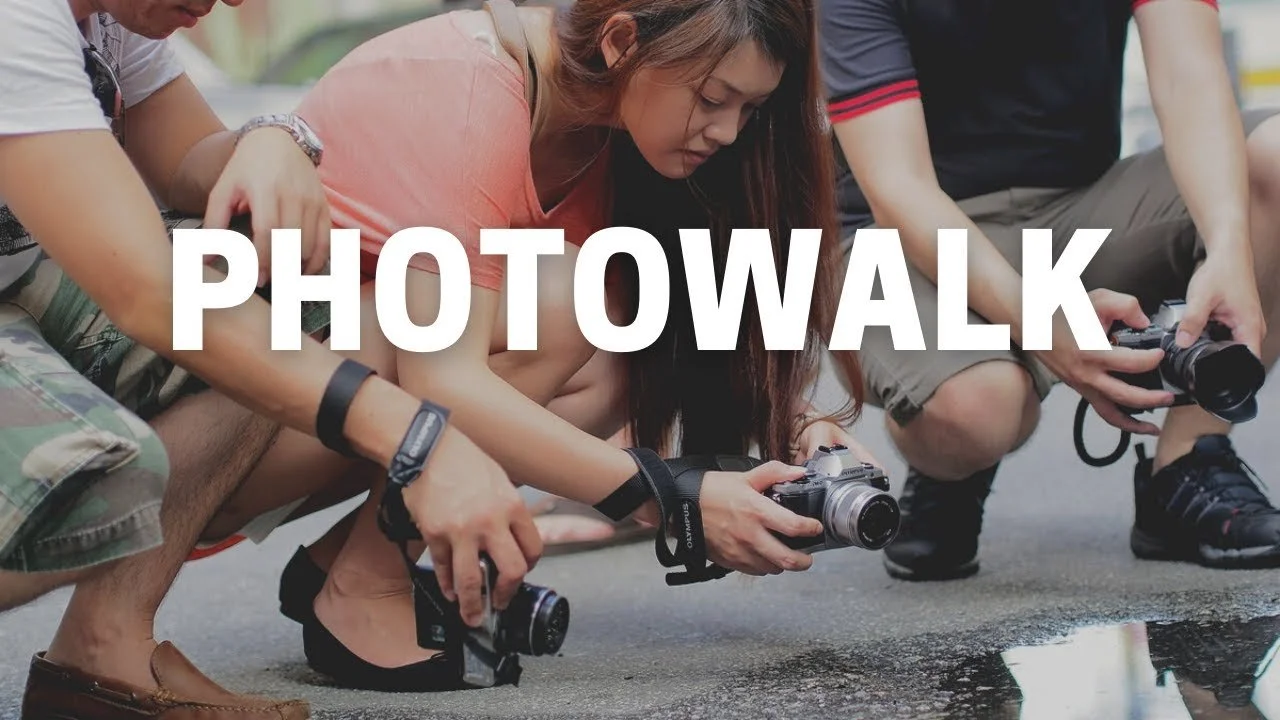
Photo Fredericton Photo Walk
Hello all, tonight is our annual spring photo walk.
We will meet in front of St Louis Bar and Grill at 6:45pm. At 7pm we will begin the walk.
Please let Jeff Fevens know you are attending the walk as he will be making a reservation at St Louis for use to sit, eat, drink and talk!
Of course if the weather is bad, an email will be sent out with either a go or no go situation and if its a no go, and email will be sent out with an alternative date out.
Regular Meeting (At The Playhouse)
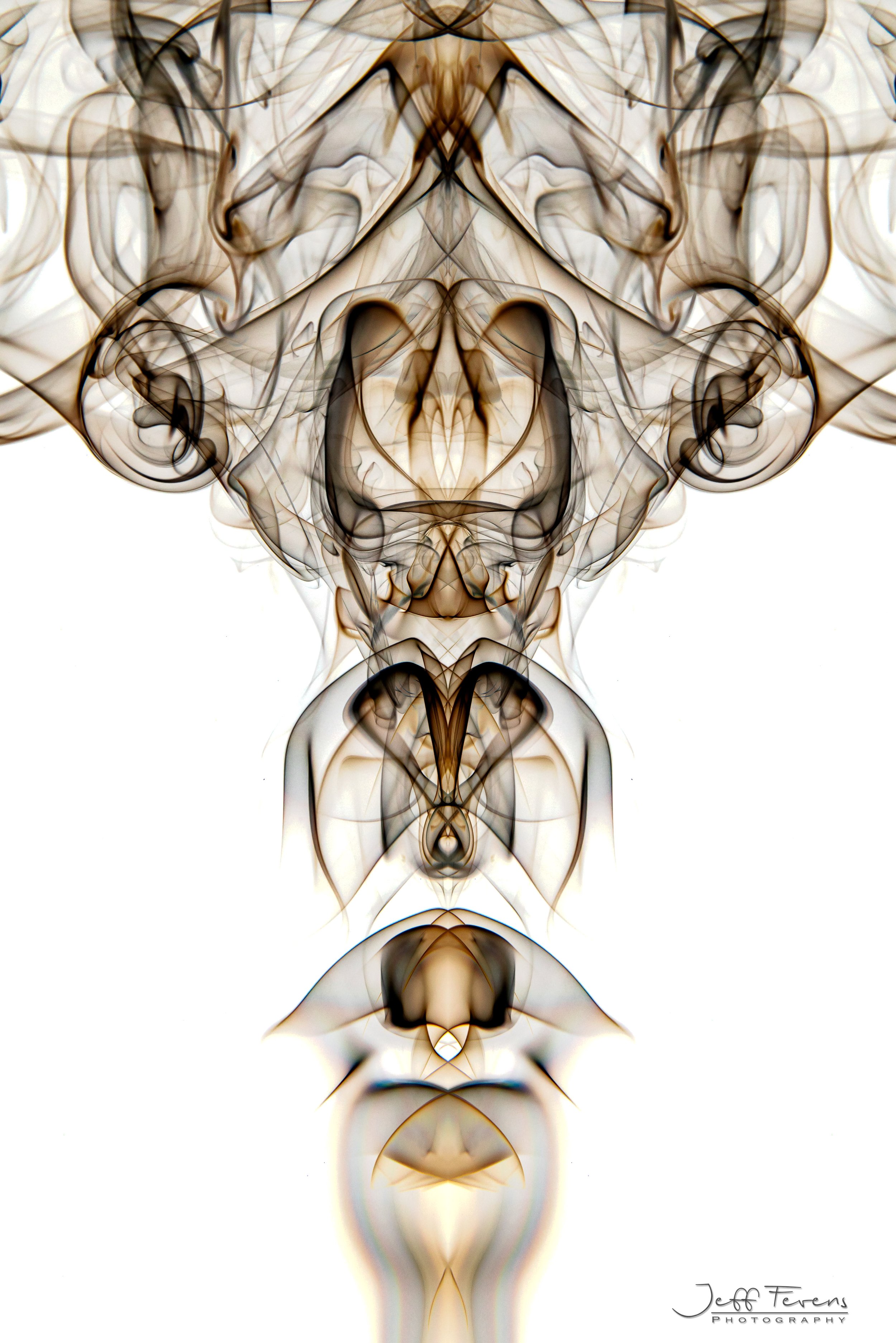
Jeff Fevens will be giving a workshop on Smoke Photography for Photo Fredericton Club Members only.
The Workshop will be happening at the Fredericton Playhouse in their rehearsal hall. It is located on the backstage second floor, sorry that means 2 flights of stairs. You will enter at the Stage Door that is located on Saint John Street near the back of the building. It will have a sign over that says “Stage Door”. There signs once through the door leading you to the room. The door will be open at 6:30pm but for security sake will be closed and locked by 7:10pm. So if you are planning on coming please arrive between those 2 times or you might not be able to get in.
There will have 3 stations setup for use to use, one for Nikon users, one for Canon users and one that will be setup that is optically triggered for other people with other brands.
The people coming who aren’t Nikon and Canon users will need to either have an on camera flash or a speed light that they can put on their camera and manually adjust the output setting to a “low” setting to trigger the optical flashes. If you are unsure about your flash, I suggest that you look at the camera/flash manual to figure how to do that before you arrive at the workshop. That way you can optimize the time you have to get captures.
If you have a tripod, please bring it as well. There will be one that people can use at the Nikon location, but to get the best results in smoke photography you need your camera on a tripod.
It is recommend that you bring a lens that is a 24-70mm or a 24-105mm or a 24 - something above 70 that should work.
Your camera must be able to switch into manual focus mode.
For best results, the camera itself should be in able to do manual exposure settings.
We will start the evening talking about smoke photography and talking about settings, then letting you loose to take photos.
The Smoke will be created using sandalwood incense. And the room will become rather full of that smell. I cannot not vent the room as it will cause a breeze that will adversely affect the smoke trails.
Guest Speaker - Kevin Snair will give a talk on Penguins & Polar Bears: Documenting Life in the Polar Regions (In person)
Kevin Snair will give a talk on Penguins & Polar Bears: Documenting Life in the Polar Regions
His talk “Penguins & Polar Bears: Documenting Life in the Polar Regions” shares his photographic journey of life choices that has brought him from the tranquil forests of Nova Scotia, to the undergrounds of Toronto, to a life or death moment with a polar bear.


Submission for Club Competition- MonoChrome
This will be our fourth club photo competition this year, Monochrome
We begin accepting captures on March 9th and all captures must be submitted by 11:59pm on March 17th.
An email will go out to club members with additional details and directions on how to submit your captures as well get closer to the dates.
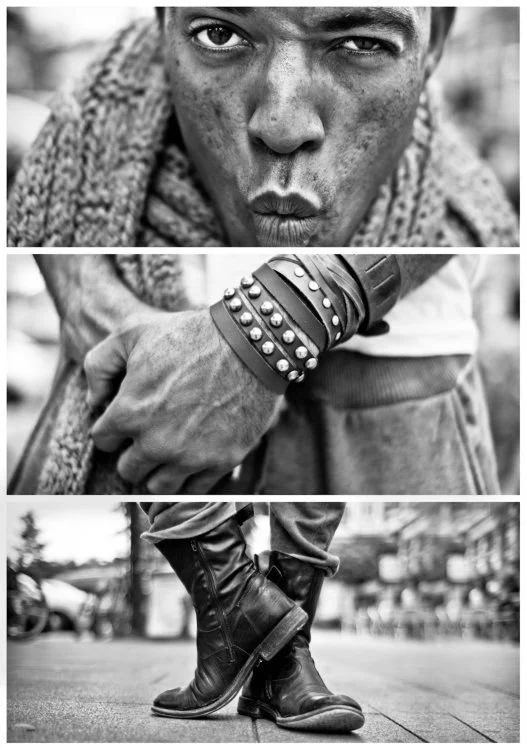
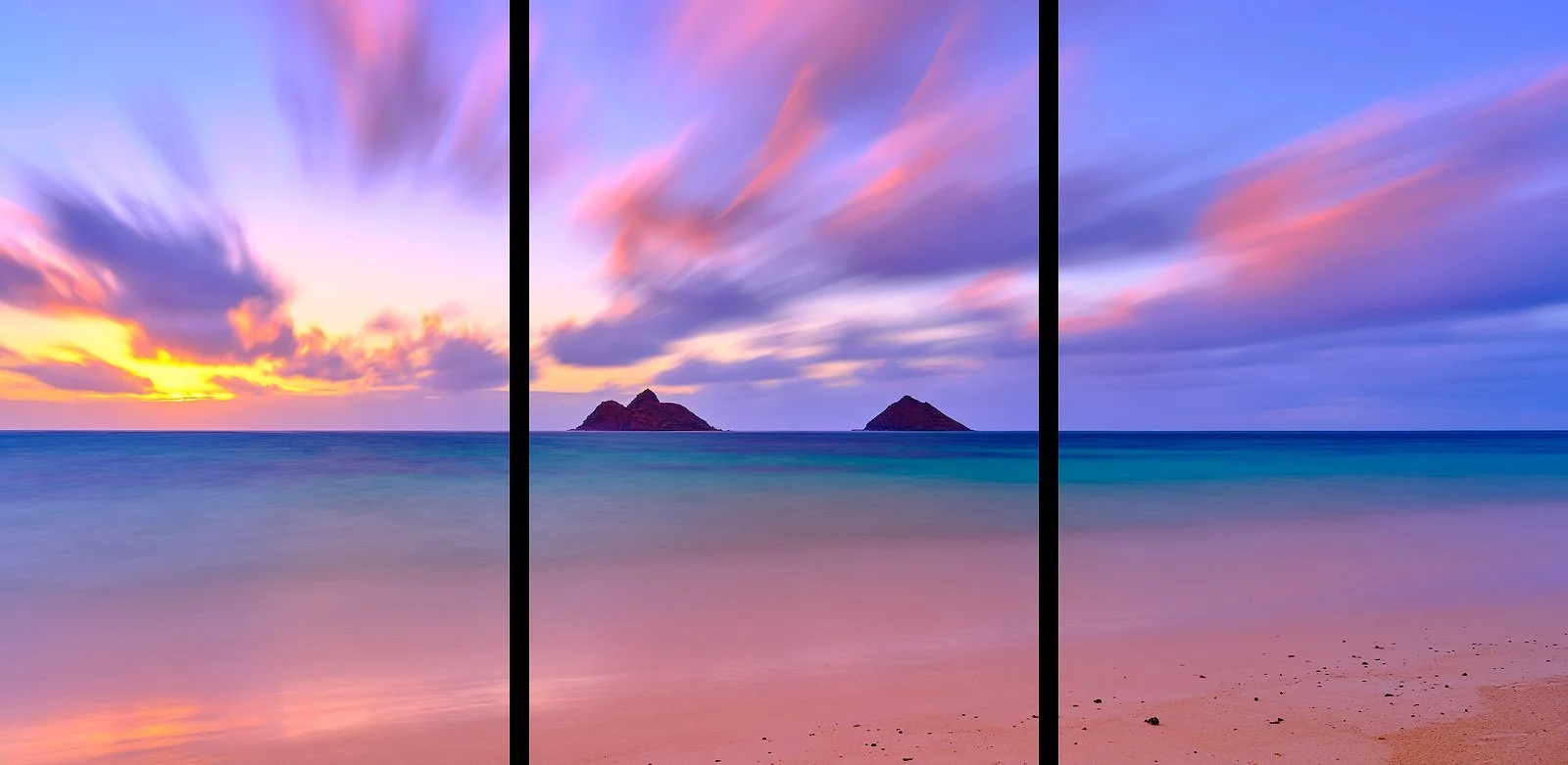
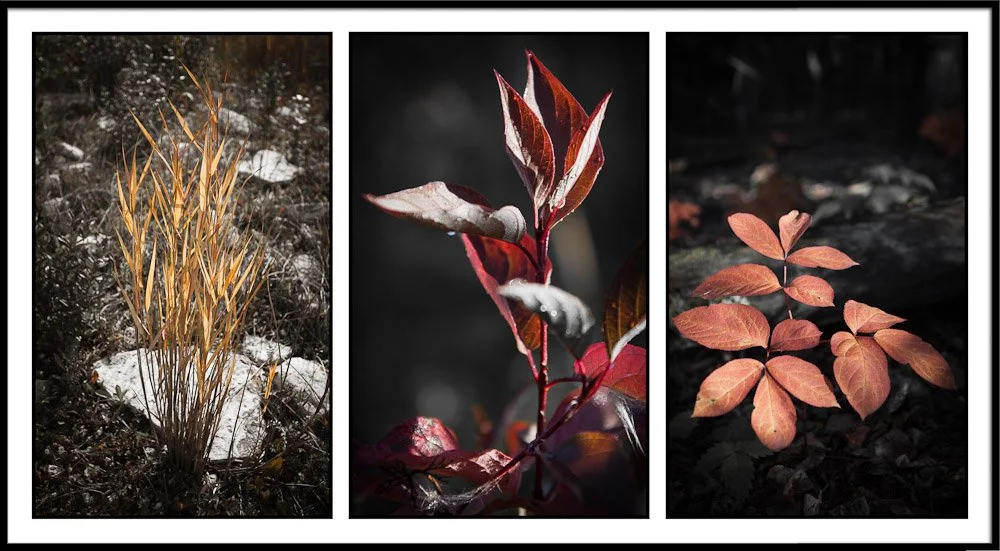
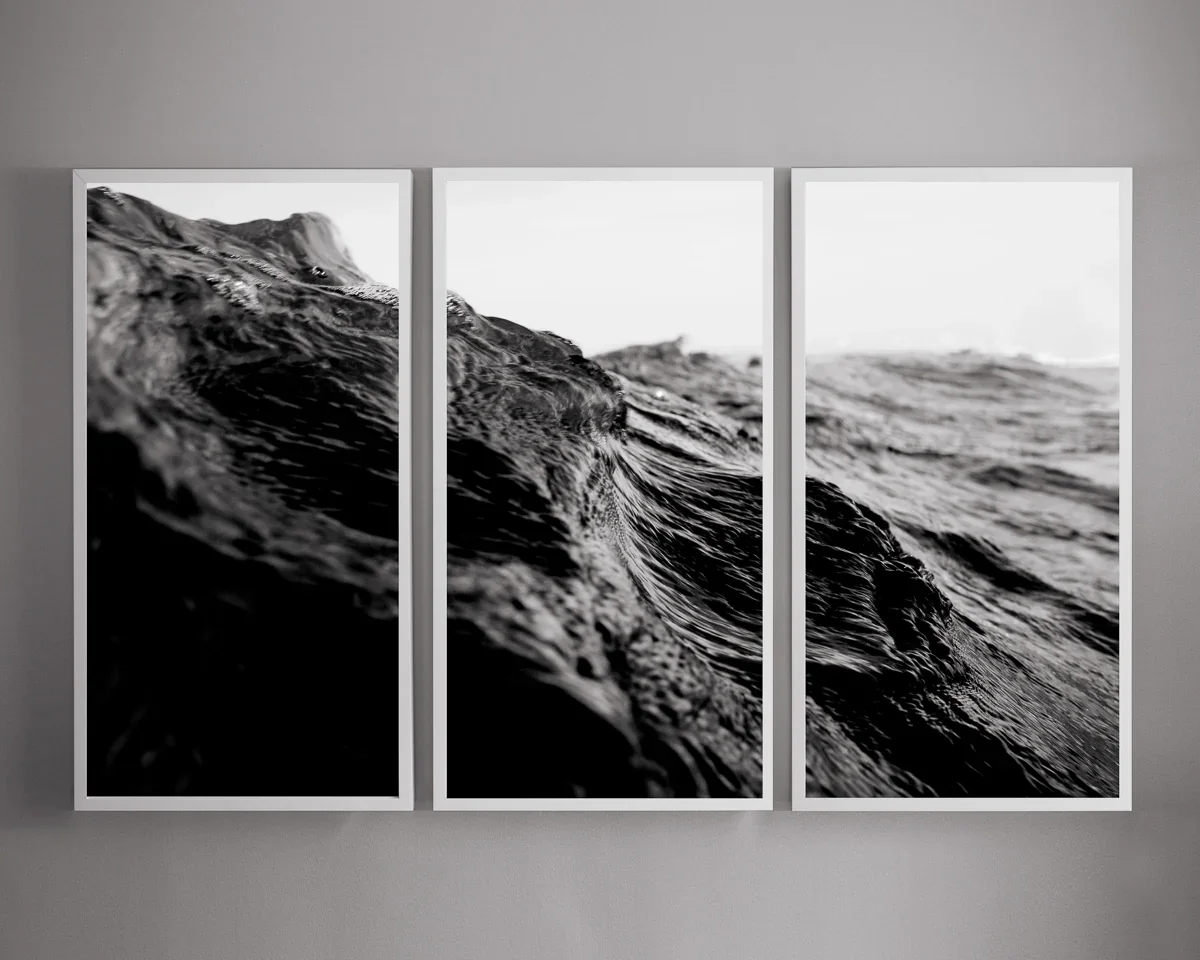
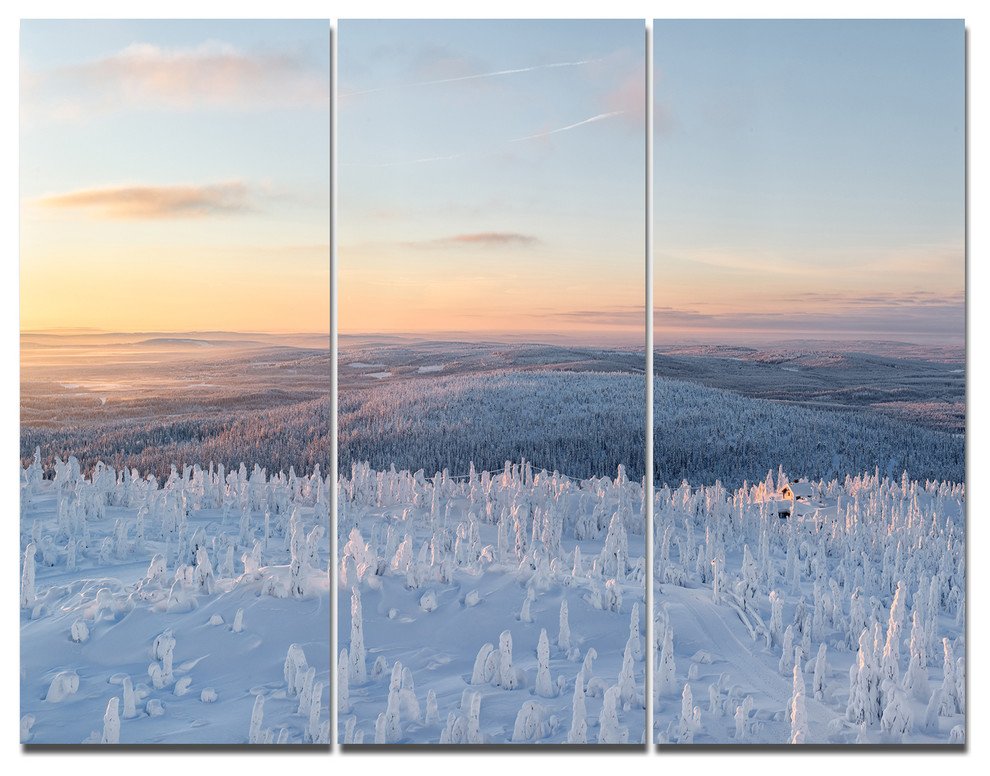


Submission for Club Competition - 2026 Triptych – The Art of Three Competition
Our second club photo competition this year will be also be a CAPA submission competition.
We begin accepting captures on Feb 2nd and all captures must be submitted by 11:59pm on Feb 8th.
An email will go out to club members with additional details and directions on how to submit your captures as well get closer to the dates.
The top 6 images of our club will be submitted to CAPA for their competition.
For details on the rules and competition description, please go to https://capacanada.ca/2026-triptych-the-art-of-three-competition/
Regular Meeting (Virtual) - Cruise to the Antarctic Circle
Cruise to the Antarctic Circle
Presentation from our own Gabriele and Dave —one of their most memorable adventures to date
Join us virtually on Tuesday, January 13, for an unique visual journey David and Gabriele will share photographs from their 74-day cruise at the beginning of 2023 around South America and Antarctica.
The presentation will highlight the landscapes and unique experiences from the Chilean Fjords, Ushuaia in Argentina, and the icy wonders of Antarctica.
With over 40 years of experience and active members of Photo Fredericton since 2019, David and Gabriele share photography as their common hobby.
For a glimpse of David’s primary passion—bird photography—visit davidlillyphotography.com.

Club Christmas Party!
HO! HO! HO! It’s time for our Christmas Party!
we are currently working on a location and the details for the party, Please stay tuned to this post and our Club Facebook Group!
Regular Meeting - CAPA Inspiration of Color Results
Tonight we will have the pleasure of see our members work in our first club competition, “Inspiration of Colour”.
Members will have submitted their work at the beginning of the month and our judges have spent their time to look at, and critique our work. And tonight, we will see the results of that Judging. We will have moments of “WOW”, moments of “That is fantastic” and moments of laughter….the good kind!
This is also a CAPA competition so the top 6 images will be submitted to represent the club/
Come back to here for more information and check out the clubs facebook group as we get closer to the date!
Meeting starts at 7:00pm but come at 6:30pm for some social time! Meet in Room 308 in the Margaret Norrie McCain Hall
Guest Speaker - Monique Campbell - Faces in the Street, Candid and Camera Aware People Photography
Tonight Guest Speaker will be Monique Campbell with a continuation form her last talk with use last year on “Building Confidence to Shoot Street”.
This year will be “Faces in the Street, Candid and Camera Aware People Photography”.
This meeting will be on Zoom. Brad will send out a link to the memebership the weekend before.
Submission for Club Competition - Inspiration of Colour
Our first club photo competition this year will be also be a CAPA submission competition.
We begin accepting captures on Nov 3rd and all captures must be submitted by 11:59pm on Nov 9th.
An email will go out to club members with additional details and directions on how to submit your captures as well get closer to the dates.
The top 6 images of our club will be submitted to CAPA for their competition.
For details on the rules and competition description, please go to https://capacanada.ca/2026-inspiration-open-colour-competition/
Guest Speaker, Pierre Gautreau - Portait Photography/Cosplay
Tonight, we will have Pierre Gautreau speaking to the club on Portrait Photography and Cosplay Photography!
This meeting will be on Zoom. Brad will send out a link to the memebership the weekend before.

Abstract Bubbles workshop
A workshop put on by our very own Club President, Brad Chapman.
We have all loved his captures of abstract bubbles and he will now be telling you his secrets and you will have an opportunity to try it out yourselves. Bring your camera.
Come back to here for more information and check out the clubs facebook group as we get closer to the date!
Meeting starts at 7:00pm but come at 6:30pm for some social time! Meet in Room 308 in the Margaret Norrie McCain Hall
Scott Kelby Photowalk
We will meet at the Boston Pizza parking lot on Prospect Street at 9:15am sharp. If you are able to provide Carpooling, that would be great!
This year’s Photowalk will be at the newly opened Hanson Nature Preserve in French Lake (Geary).
Following the walk, participants will be free to explore the Art Gallery and Sculpture Garden nearby. A get together for lunch out will also be planned if there is sufficient interest.
If you are interested, please sign up to register for the walk. There is no entry fee however they asking every participant to make a $1 donation to walk, which goes directly to support of an international charity.
More Info and to register go tohttps://worldwidephotowalk.com/walk/fredericton-area-2025-photowalk/
Introducing your camera
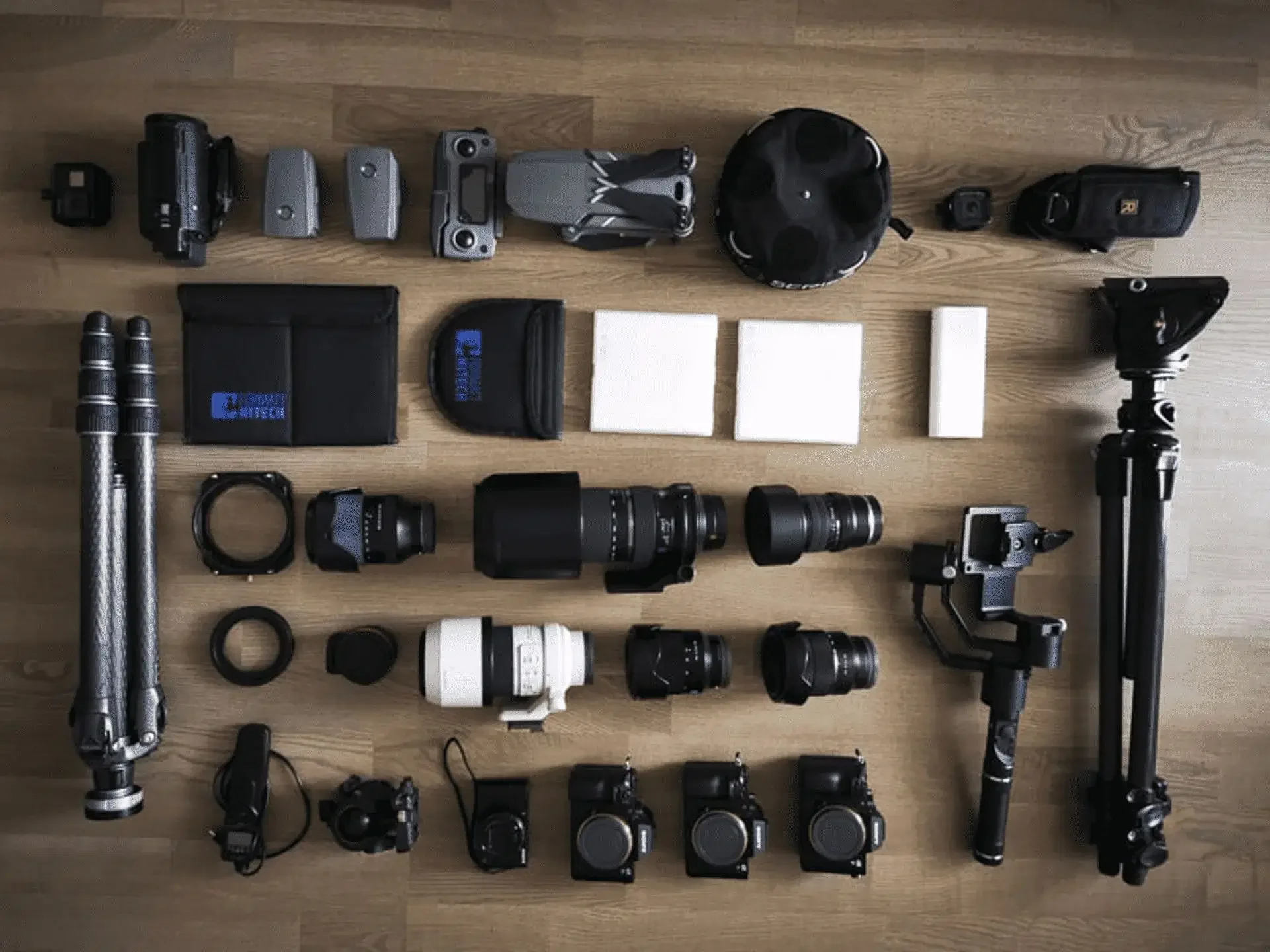
Tonight is the night to bring your camera and your questions. As a club we will help each other with your questions about camera settings. Brand specific questions can be put out to others with the same brand. And if a question cannot be answered, then we will work together to help find one!
Meeting starts at 7:00pm but come at 6:30pm for some social time! Meet in Room 308 in the Margaret Norrie McCain Hall
CAPA Photowalk
CAPA Photowalk - A new annual tradition that brings photographers together from coast to coast, and everywhere in between. From the East Coast to the West, from the southern border to the northern reaches, this is a day to celebrate photography, community, and creativity. To register clink on this link.Https://capacanada.link/2025-Photo-Walk
Location: Irving Nature Park, Saint John.
Start Time 10:00


2025 Annual Photo Challenge Mastery of Light Photography (Submission Deadline)
Scope of Competition
Light is the essence of photography, shaping our perception and influencing the mood and narrative of an image. Our competition invites photographers of all backgrounds to reveal the stunning interplay between light and shadow.
Submit an image that conveys your unique perspective. Develop imaginative compositions that creative shapes with light and shadows. Capture kinetic motion in suspenseful action shots, craft intimate narratives with subtle light cues, or reveal breathtaking landscapes and cityscapes awakened by dawn’s glow. Feel free to experiment with techniques like rim lighting and light painting to showcase your technical artistry and unleash your creativity.
The competition is open to all paid-up individual/family CAPA members and Life Members.
Images depicting individuals experiencing homelessness, infirmity, or people in crisis will not be accepted. We consider the exploitation of the misfortune and suffering of others for the sake photography demonstrates a disregard for the well-being of our fellow individuals.
For this competition, an entrant can submit a maximum of four images. However, a maximum of two images can be entered in each theme.
Only for this competition – CAPA Medals will be awarded for each theme.

2025 Canada: My Country Competition (Submission Deadline)
Scope of Competition
Welcome to the 2025 Canada: My Country competition. This annual event celebrates the rich diversity of people and places across our nation.
This year, we want to showcase the varied landscapes that shape our national identity. From the Atlantic coast to the Pacific coast to our Far North, your submitted photographs should bring our regional flavours and local pride to life.
Equally important are the stories of the people who call this land home. Photos of immigrant families starting new lives, school children growing together, workers driving local economies, and senior citizens passing down traditions, all reflect the fabric our country.
Images depicting individuals experiencing homelessness, infirmity, or people in crisis will not be accepted. We consider the exploitation of the misfortune and suffering of others for the sake photography demonstrates a disregard for the well-being of our fellow individuals.